5 March 2026
The real bottleneck is no longer production capacity. It is clarity at speed.
Teams obsess over which AI model or workflow to use. The harder question - what operating model do we need to redesign around agentic AI - goes largely unasked.
Everybody is having the wrong discussions about AI in product organisations. It does not matter which model, skill, MCP, Claude Code workflow, Codex setup, or what you built with OpenClaw last night.
this is an update to my article from june 2025: https://www.linkedin.com/pulse/liquid-product-model-rethinking-operating-towards-ai-speed-thonbo-35vuf/
All the signals are pointing in the same direction and most major players are starting to catch on ( read first comment below ).
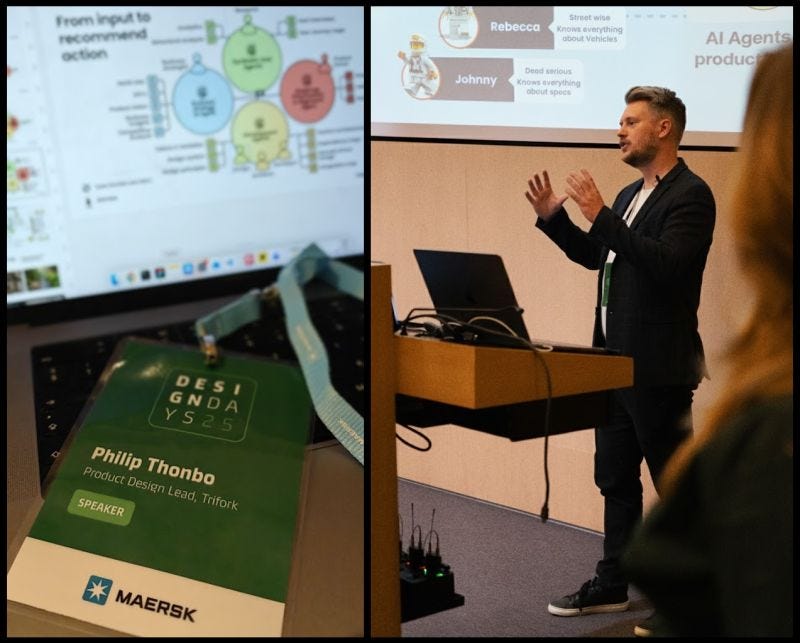
I have held lots of talks about this since june 2025, We will naturally end up in an agentic product reality where agents handle many of the micro-decisions and most of the execution, while we remain the pilots of the systems while focusing more on clarity on a macro level rather than spending time discussing tech on a micro level.
The real question is whether your product organization is ready when we get there? The technology is here, we are just waiting for the providers of the product development landscape to look up from the model race and see where we are headed - read the signs.
People are too busy. looking up from the constant AI news about: Best model ever!. New skills workflow. Deterministic workflows vs AI probabilistic outcomes. New integrations. New breakthroughs.
Interesting, yes. But still the unimportant conversations.
The bigger conversation is how product organizations need to bend themselves around where this is clearly heading.
Because this is not only a tooling shift. It is an operating model shift.
Now a year after all of this struck me, right after GPT projects came out, it is striking to see bigger players finally publishing their own versions of the same direction. That is good. But I still think many of the conclusions being shared are too simple.
The more interesting conversation sits above the tech. In the busines layer.
Research will not just end in forgotten presentations. It will live on through synthetic user agents. constantly queried by other agents. OF COURSE!
Strategy will not just sit in quarterly reports. It will stay active through connected context and strategy agents. used everyday for product priotization. OF COURSE!
Gant Roadmaps, OKRs, and backlogs will not stay a manual ceremony forever. They will increasingly be supported by auto prioritization and alignment agents. with the right tools and frameworks in place (hint: https://www.linkedin.com/pulse/translating-business-direction-objectively-backlog-thonbo/). OF COURSE!
Design systems, architecture, Infrastructure, CD/CI, and integrations will not just be handover material. They will become a live context for development agents. like all of the above. OF COURSE!
And two decades glorified agile scrum will fade away in favor of a more liquid flow of research, development validation and prioritization.

And once that happens, the real bottleneck is no longer production capacity. It is clarity at speed.
Clarity of problems to solve Clarity of user needs Clarity of actual business needs Clarity of a product vision. Clarity of architecture. Clarity of priorities. Clarity of user behavior.
That is why I think too many tech leaders are still staring at the wrong layer.
They worry about which model is best. Which stack is hottest. Which /skill wins. Which prompting trick matters. Which subscription bundle to buy.
It is not important. All your problems with the current models, the broken design system workflows and what is the single source of truth. Will vanish within a very short time frame.
The hard part is redesigning the product model around the fact that agents will increasingly handle the micro-decisions and large parts of the execution, while humans steer direction, alignment, taste, needs, intent, constraints, and judgment. Focusing on the macro layer of product direction.

We are moving;
- From static handoffs to connected systems.
- From quarterly business reviews to continuously updated context.
- From alignment meetings based on gut feeling to Auto - prioritization based on facts and data.
- From tool obsession to operating-model design.
- From micro-management rituals to macro conversations about strategy, structure, and culture.
We are becoming architects or pilots of agent environments. But we need to look up from the designer/developer echo chambers and look at the bigger shift in that the entire product organization has to be architected for an agentic future.
That is the conversation I find far more interesting than this week's tech headlines.
Design and Development will move into the same bubble of joyfull vibe coding.
We keep hearing about developers and designers new hot workflows. And right now these are two very different workflows based on different needs. But very soon these two roles will move into the same stack, where design / code architecture is still the conversation, but both roles will work in the same environment, maybe even have the same title (with flavor), directing AI to do a job that adheres to UX/UI design systems, CD/CI, and a tech stack that fits the product org.
Fun fact : the flat organisation of Trifork has for years called both designers and developers "Software pilots" - now after so many years that is becoming more and more true.
But here is what is missing: All this is supported by real user research, architecture, business, and prioritization done by AI and human product pilots in tandem. At the speed of future Agentic software development.
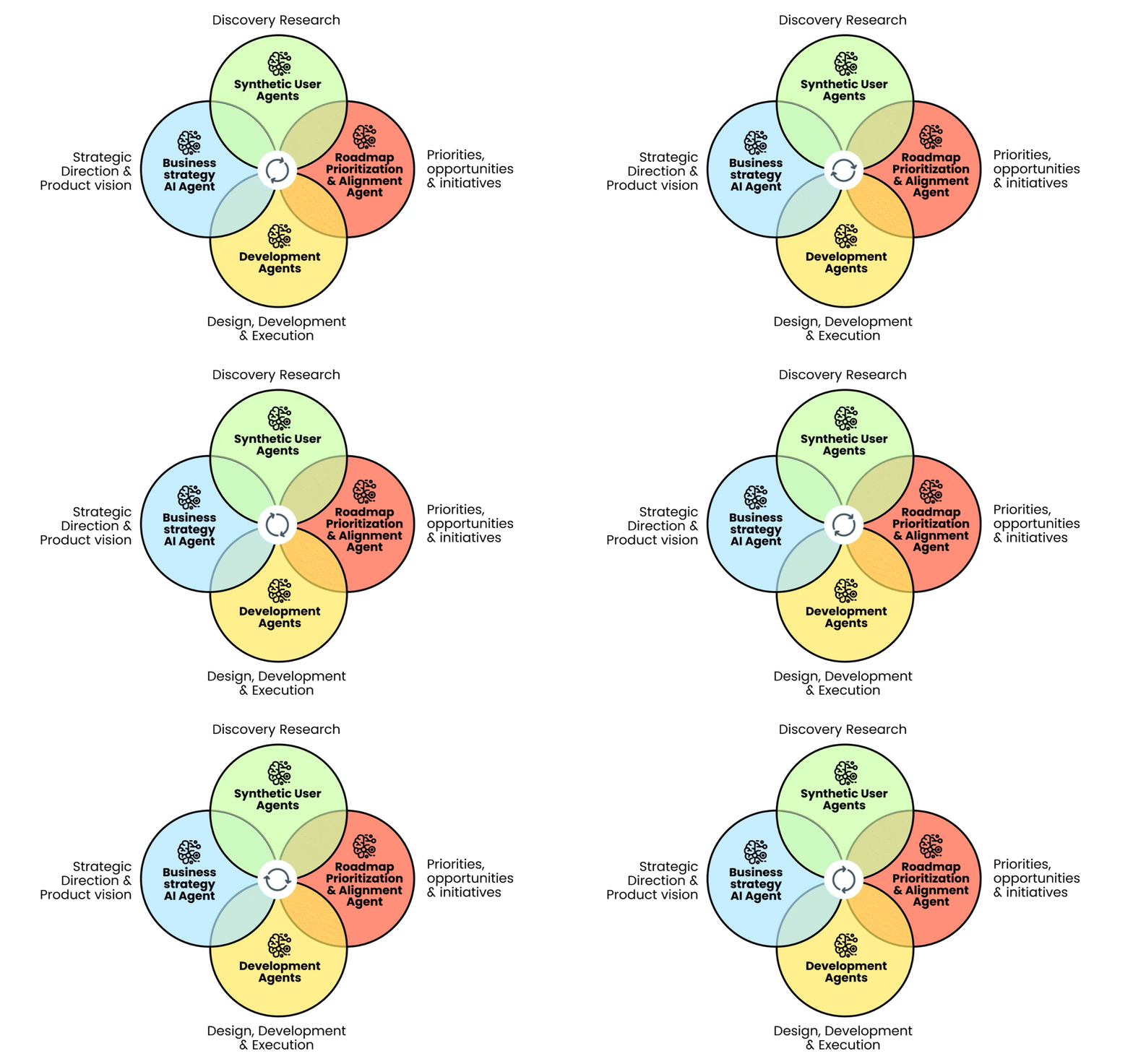
And this last part about context is where the conversation gets interesting, because this is context engineering at its core. Carried out both by humans and machines, using Real-time MCP and static RAG data. This is where ambiguity becomes clarity - the same way it always has. Many years before Teresa Torres and Marty Cagan wrote their glorified books about how to run validated product development efforts the "right way". The only difference here is ofc. SPEED.
We need to build a foundation for research and business decisions that supports the speed of AI software development
if we don't want to flood the market with mediocre solutions to no problems. Solutions neither the users or the business have had the time to validate whether or not they solve any problems or cover any needs. Are competitive or fits the business goals at all?
At the end of the day, its all about Precision vs Momentum.
This is why, while we wait for agentic product solutions to be connected across business strategy, research & design, planning and development.
We need start inventing ways where we can use AI to build "context" faster
Context about our users Context about their needs and goals Context about our needs and goals Context about our competitors Context about our priorities Context about our operations Context about our integrations
47 views