The future of AI vs Human code
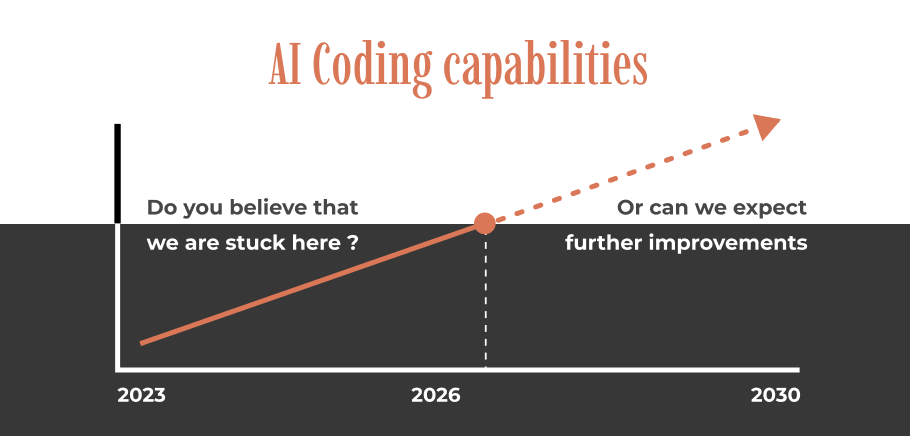
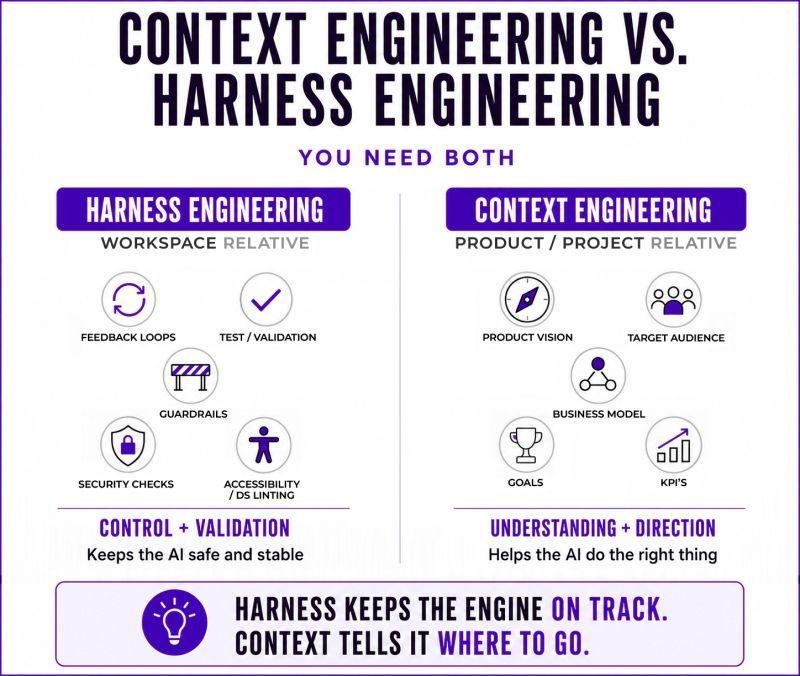
The real competitive advantage isn't adopting AI coding tools — it's building the architecture, feedback loops, and organisational adaptability to move with the curve.

Thoughts on design, craft, and building things.
The real competitive advantage isn't adopting AI coding tools — it's building the architecture, feedback loops, and organisational adaptability to move with the curve.

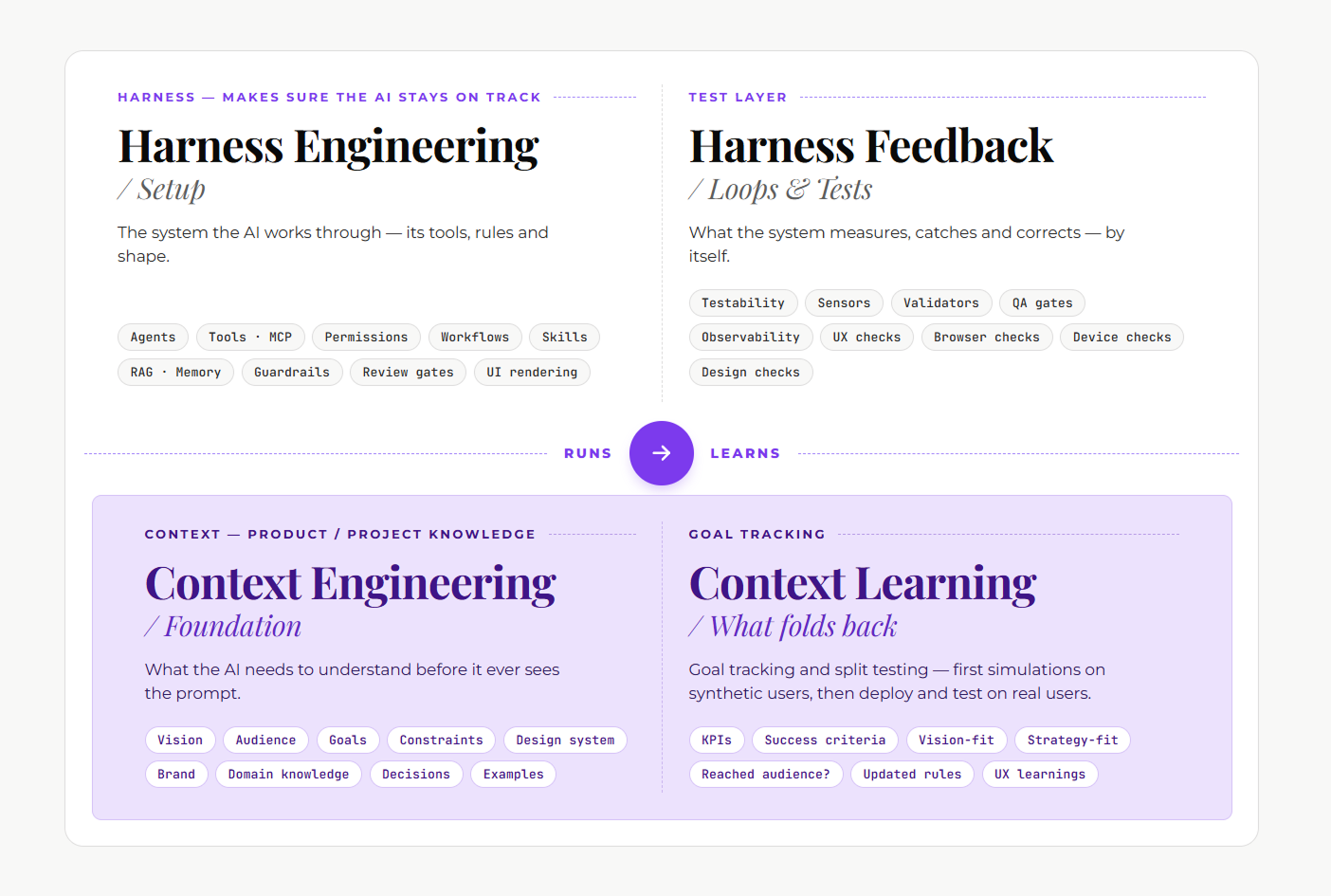
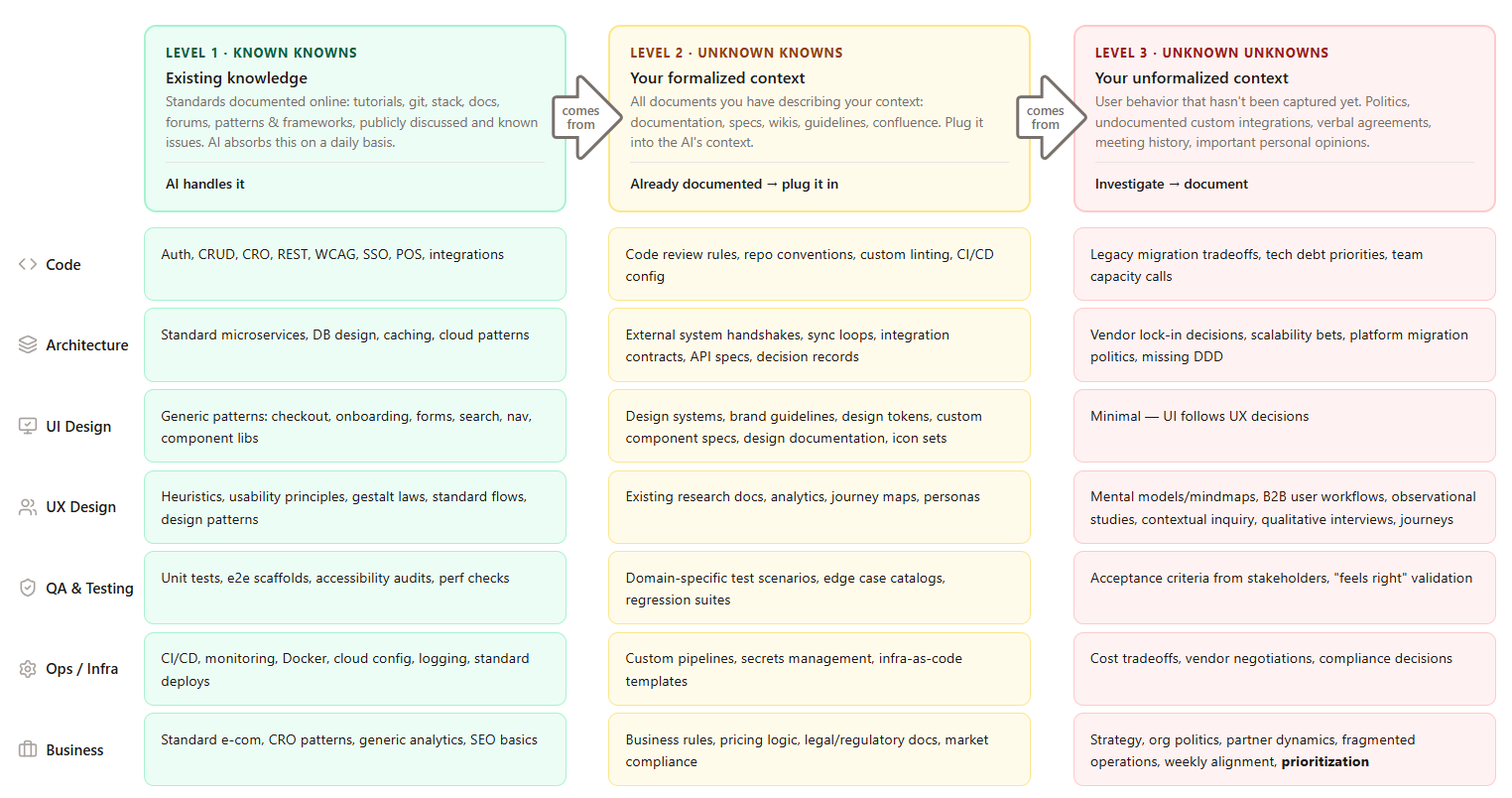
Most deficiencies in AI-assisted development stem from context gaps rather than AI limitations — the same root cause as misalignment in human teams.

AI is making custom software faster and cheaper than SaaS subscriptions — but shipping code is not the same as shipping a product.

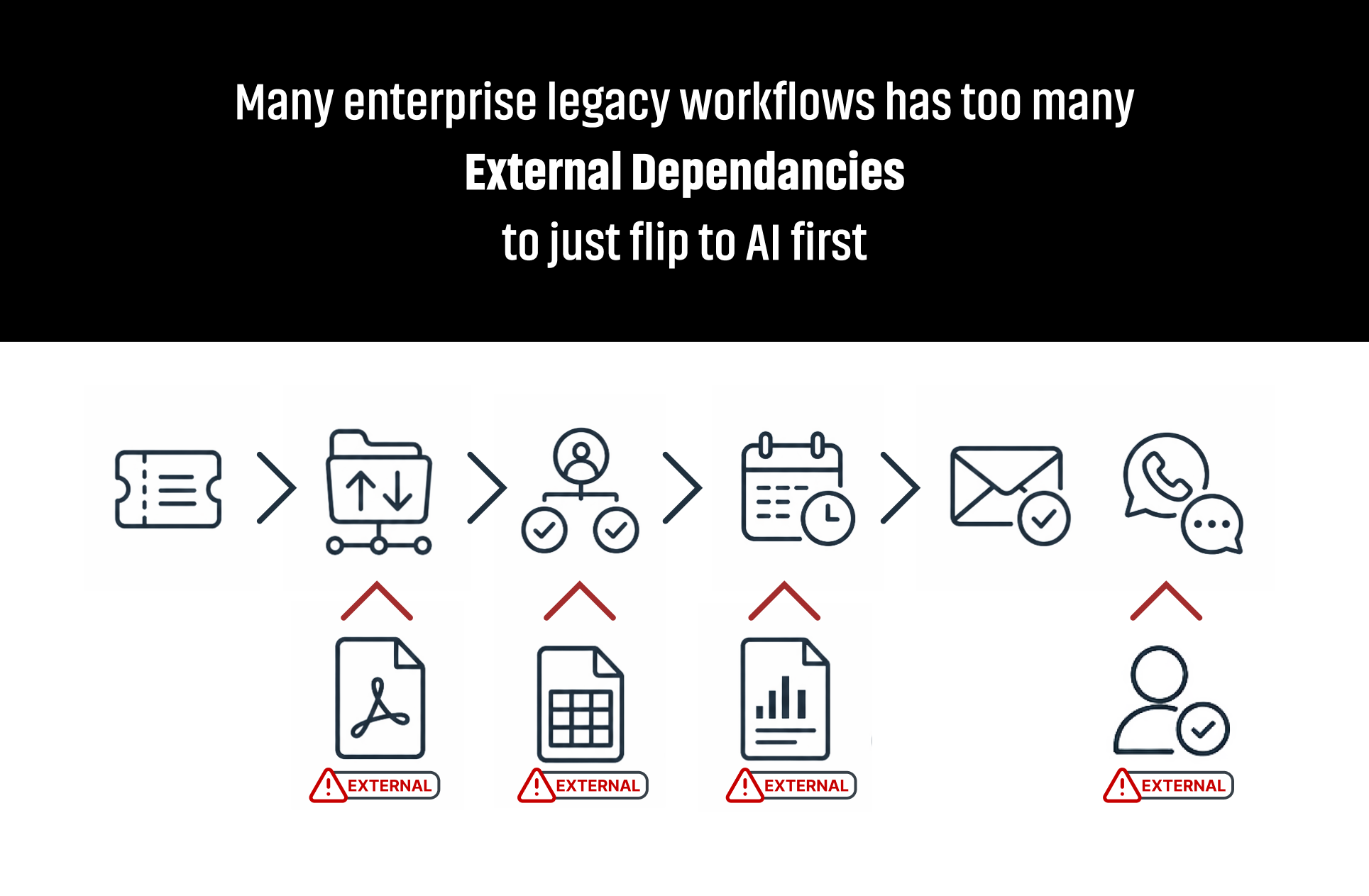
Teams obsess over which AI model or workflow to use. The harder question — what operating model do we need to redesign around agentic AI — goes largely unasked.

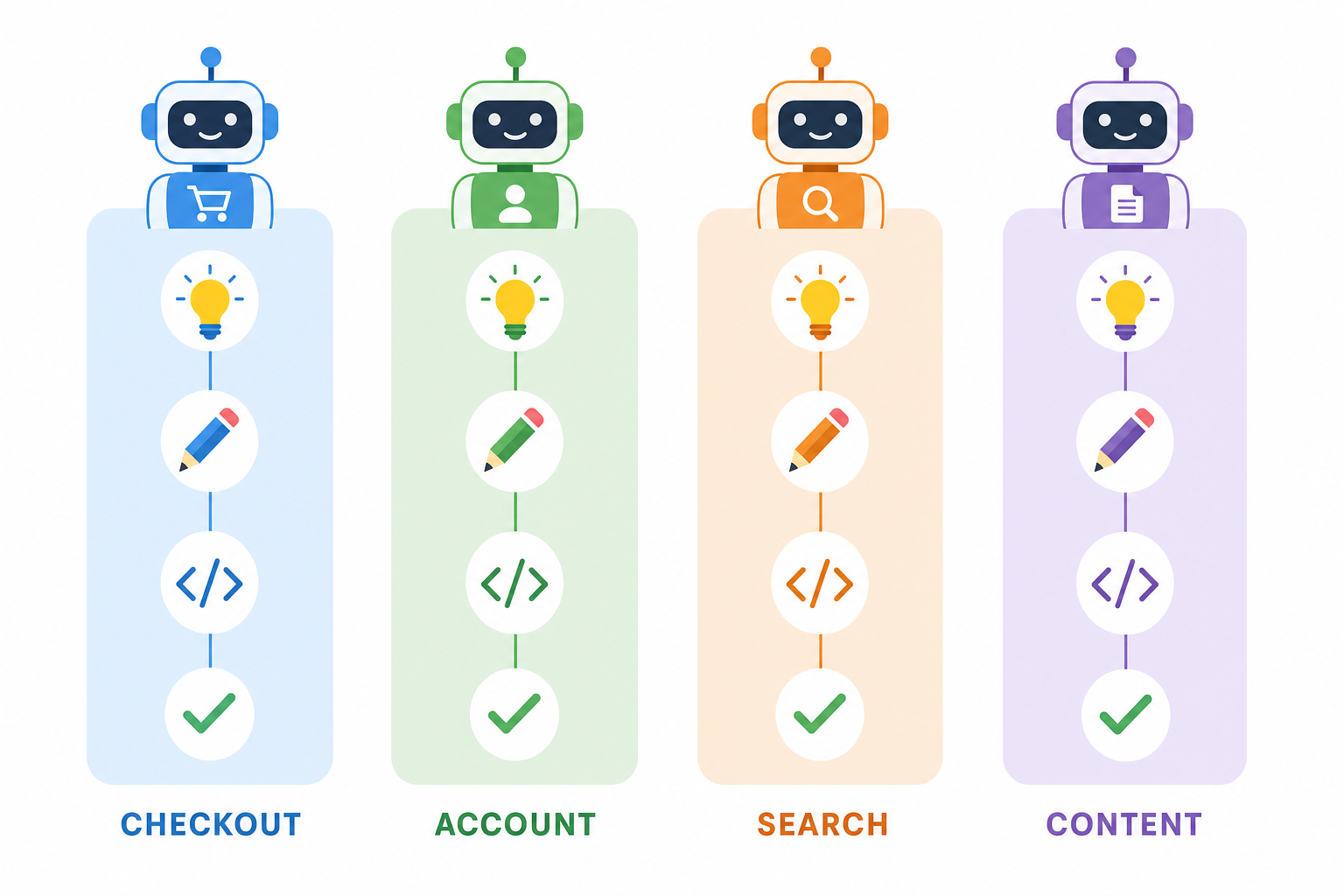
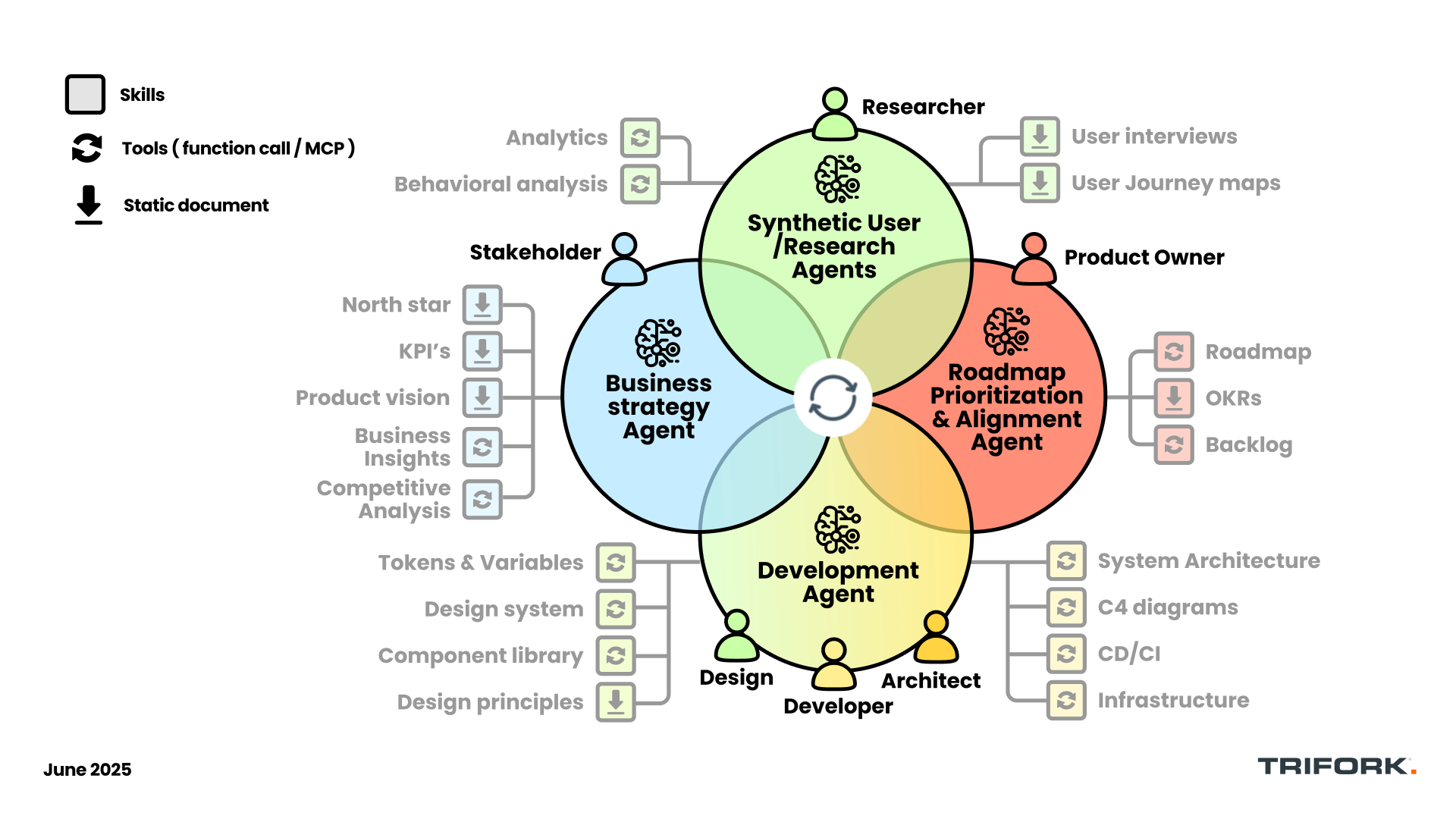
Old product operating models rely on subjective meetings and gut feeling. The new model uses AI agents to continuously align strategy, user needs, priorities, and development — fewer rituals, more real-time momentum.
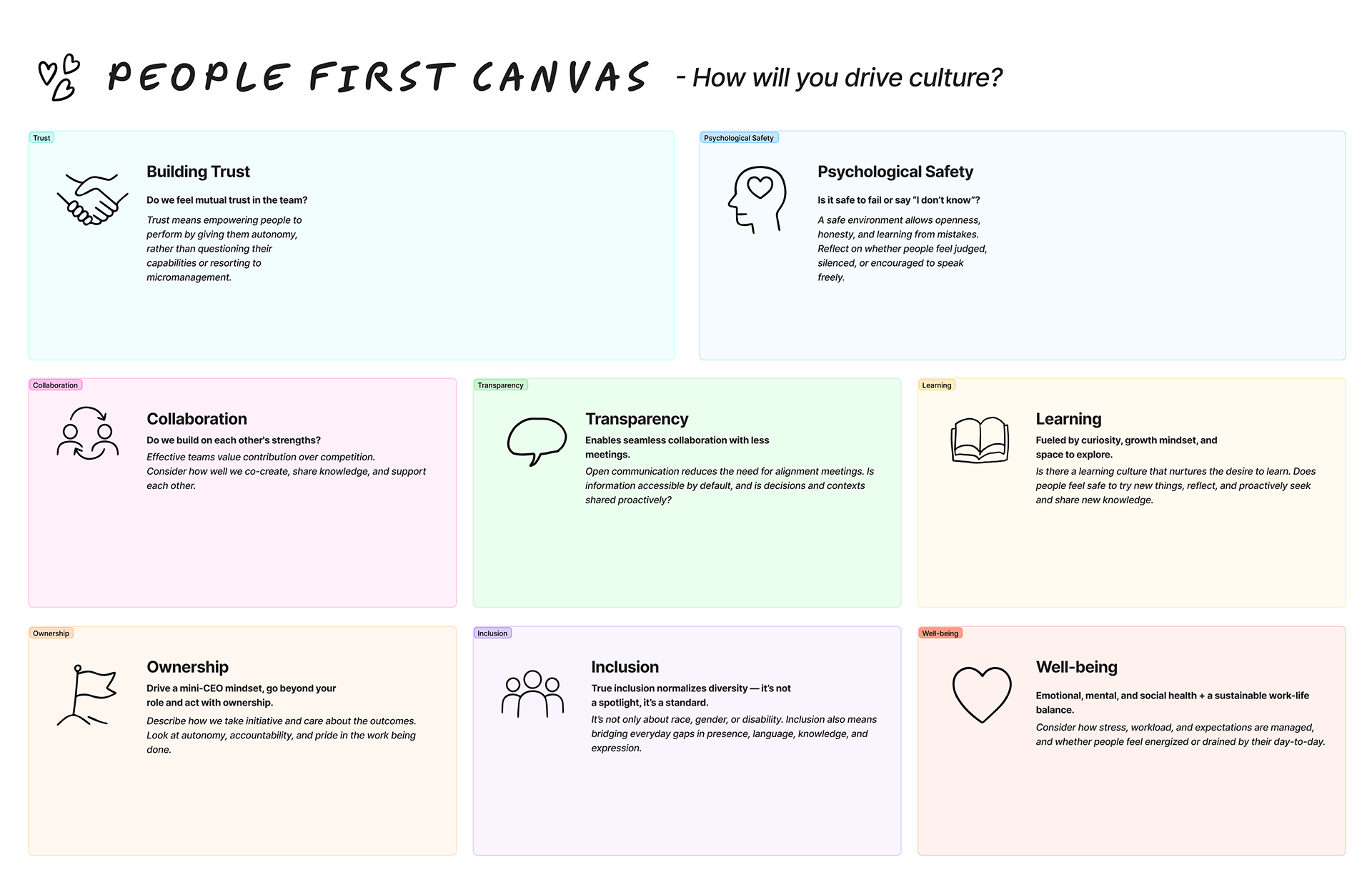
"80% of success in any job relies on your ability to deal with people." Culture is the invisible force driving everything — yet most organisations still leave it to chance.
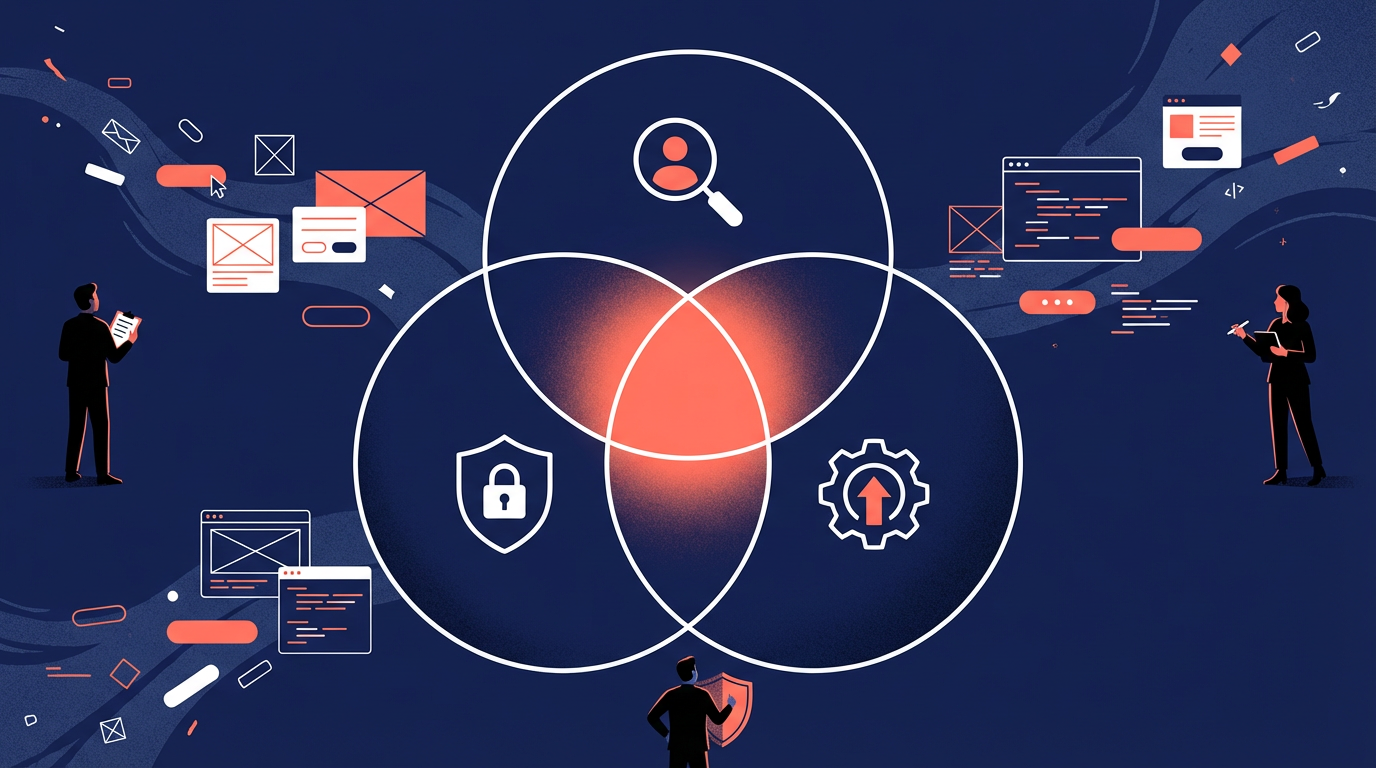
Personal agendas and biases still influence product decisions without adequate guardrails in place — even when the data is right there. Here's how a redefined product trio changes that.

Keep the most important information as an executive summary. You can always link to "further reading" — but make an effort in summarising your data, information, and insights. Why should we only summarise for executives? Aren't we all busy?
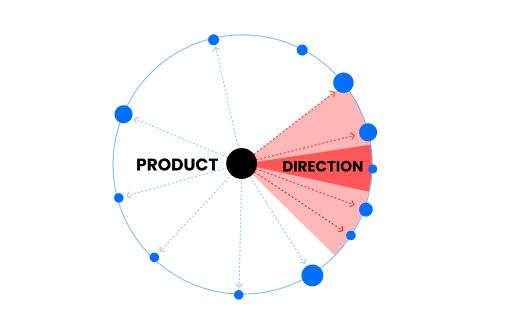
As feature requests pour in from all directions, few stakeholders can explain to practitioners how to reflect business direction. This is how you build a prioritisation system that does it automatically.

Several hundred images into MidJourney — here's what a commercial digital designer actually found. Good with organic and abstract. Bad with objects and accuracy. Use as inspiration.
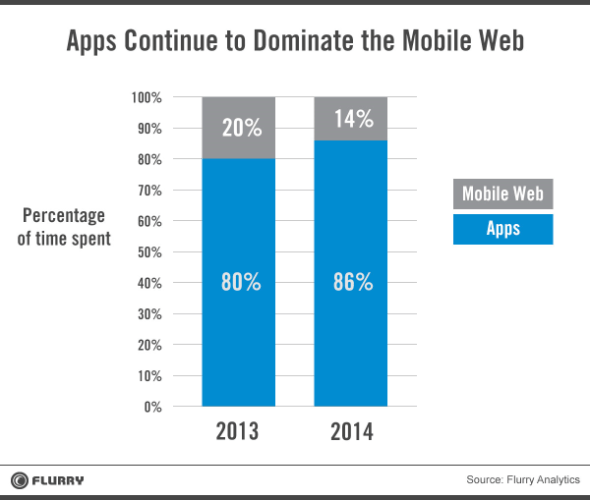
Two years ago I wrote about why apps beat mobile websites. Back in 2016 the data confirmed it: time spent in apps up from 86% to 90%, browser usage declining. Loyalty is the key driver.
A brain dump after 15 years in digital advertising for Coca-Cola, LEGO, DR and Bang & Olufsen — on automation, Big Data, soft values, and where the industry is heading.

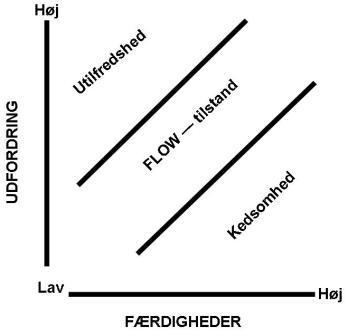
How Føtex's animal card concept leaves all data-analysing marketers behind — and what it teaches us about intrinsic motivation, flow theory, and why the best marketing makes people forget there's any marketing happening at all.

As vertical thinking reaches its limits, the human element creeps back into marketing. Transparency, inspiration, and "the joy of giving" — but can soft values survive being turned into buzzwords and packaged for ROI?

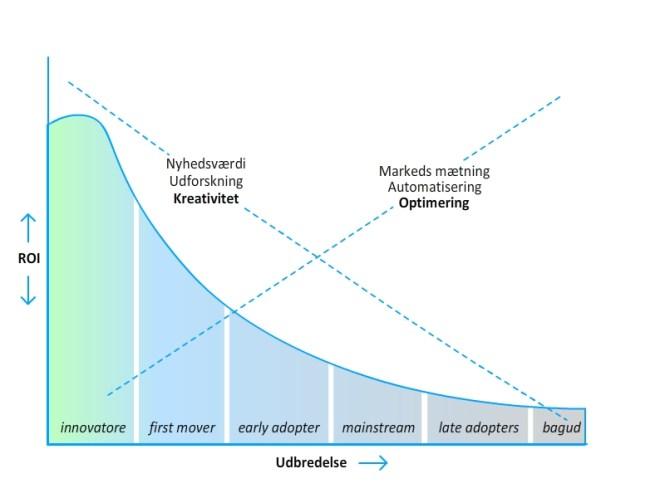
Everyone is following the same documented tracks. Big Data has given marketing cruise control — safe ROI, but increasingly diluted returns. The more widespread a tactic becomes, the less effective it is.

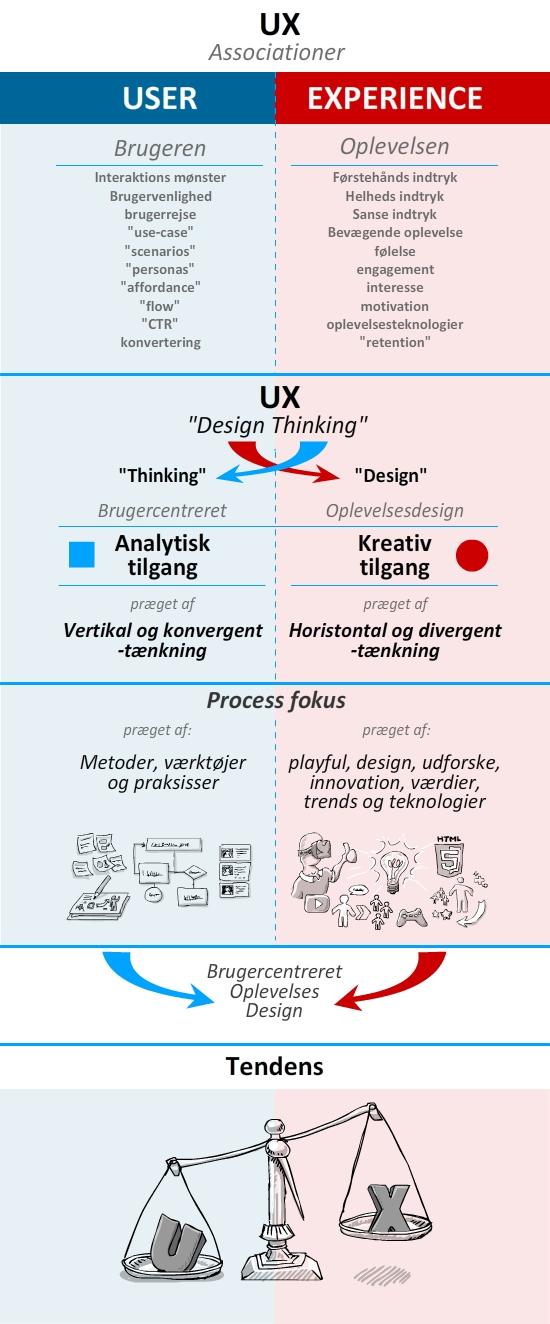
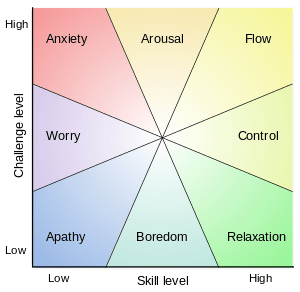
UX Design is being sold as usability — but experience design is something else entirely. The gaming industry has always known this. Flow theory, intrinsic motivation, and why the best UX should make you feel something.

Watson, Big Data, and what happens when a supercomputer can answer any question faster than a specialist. The last missing piece in the fully automated puzzle is learning to ask the right questions.

"It turns out people don't really surf the web on their smartphones." The original case for apps over mobile web — before the data confirmed it.

Kids don't navigate the browser — everything they want has moved into apps. So what does it take to design digital content that actually holds their attention? Flow theory, intrinsic motivation, and the challenge/skill balance.

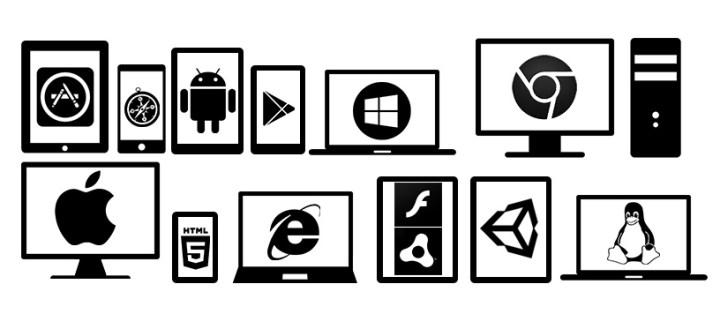
From a game and interactive developer's perspective — a clear-eyed look at Flash vs HTML5, native vs cross-compiled apps, iOS vs Android, and how to choose the right technology for your digital content in 2014.